与“Ko”相关的影片 共个
日落2021
392
1.0
已完结
日落2021
1.0
更新时间:06月29日
主演:蒂姆·罗斯,夏洛特·甘斯布,塞缪尔·博顿利,莫妮卡·德尔·卡门,亨利·古德曼,伊阿祖娅·拉里奥斯,詹姆斯·特拉佩,Albertine Kotting McMillan
简介:蔚蓝晴空,日正当中,中年男子尼尔与家人在墨西哥的度假胜地,享受奢华的悠閒假期。白天在泳池边小酌,晚餐与乐手暗送秋波,一切都十分惬意,直到手机铃声划破空气。电话那头母亲病况危急,大家只好收拾行李,搭上下一班回国的飞机,不料尼尔在登机口找不到护照,只能与家人分道扬镳。走出机 场,尼尔搭上计程车,开往的却不是回饭店的方向,而是市区的破烂旅社⋯⋯。  继夺下威尼斯影展评审团大奖的《美丽新秩序》后,导演米歇尔法兰科再度以家乡贫富悬殊的纷乱治安为衬底,带来看似轻鬆写意却暗潮汹涌的家庭剧,二度进军威尼斯影展正式竞赛。提姆罗斯冷淡疏离,充满上流馀裕;夏绿蒂甘斯柏躁动不安,不时紧绷焦虑,情绪来往的强烈对比,勾起观者更多好奇。情节曲折,线索散落,主角的真实动机且待拼凑。潮退潮起,日升日落,生命的转折路口,一瞬之间就大有不同。
750
2021
日落2021
主演:蒂姆·罗斯,夏洛特·甘斯布,塞缪尔·博顿利,莫妮卡·德尔·卡门,亨利·古德曼,伊阿祖娅·拉里奥斯,詹姆斯·特拉佩,Albertine Kotting McMillan
兰博基尼
41
5.0
已完结
兰博基尼
5.0
更新时间:06月29日
主演:弗兰克·格里罗,米拉·索维诺,加布里埃尔·伯恩,伊莲娜·琼斯,汉娜·范·德尔·韦斯特哈森,乔治·坎塔里尼,Patrick Brennan,Tommaso Basili,Francesca Tizzano,Dan Matteucci,福图纳多 塞林诺,莱昂纳多·捷克,Ema Kovac,Romano Reggiani,Loris Loddi,莱昂纳多·萨莱尼,Giorgia Pagliacci,Francesca De Martini,吉安·弗朗哥·托尔迪,Elles Case,Chiara Primave
简介:继法拉利之后,又一位意大利汽车业大亨的生平故事将被搬上银幕,他就是费鲁齐欧·兰博基尼(Ferruccio Lamborghini)。  这部影片暂名为《兰博基尼:传奇》(Lamborghini – The Legend),由前段时间刚刚去宣布将重拍诺兰《记忆碎片》(Memento)的AMBI集团制作。影片将涵盖兰博基尼的整个人生,包括他二战中当空军机械师的经历、制造拖拉机起家,直至最后弄出了兰博基尼跑车。当然,这部影片并不仅仅关于汽车、机器,也会展现鲜为人知的兰博基尼的私人生活,比如他名人般的生活方式和动人的爱情故事。  《兰博基尼:传奇》将于明年夏天在意大利开机,之后还将到世界各地取景。
860
2022
兰博基尼
主演:弗兰克·格里罗,米拉·索维诺,加布里埃尔·伯恩,伊莲娜·琼斯,汉娜·范·德尔·韦斯特哈森,乔治·坎塔里尼,Patrick Brennan,Tommaso Basili,Francesca Tizzano,Dan Matteucci,福图纳多 塞林诺,莱昂纳多·捷克,Ema Kovac,Romano Reggiani,Loris Loddi,莱昂纳多·萨莱尼,Giorgia Pagliacci,Francesca De Martini,吉安·弗朗哥·托尔迪,Elles Case,Chiara Primave
玩偶1968
633
3.0
已完结
玩偶1968
3.0
更新时间:06月29日
主演:马里乌什·德莫霍夫斯基,贝娅塔·蒂希基维茨,菲耶夫斯基·塔德乌什,Jadwiga Gall,维斯拉夫·格拉斯,卡里娜·谢鲁斯克,Jan Koecher,扬·克雷奇马尔,塔德乌什·孔德拉特,Halina Kwiatkowska,安杰伊·瓦皮茨基,扬·马休斯基,Józef Pieracki,Janina Romanówna,Anna Seniuk,Irena Szramowska,Wladyslaw Dewoyno,卢德维克·伯努瓦,克雷斯蒂娜.费尔德曼,Aleksander Fogiel,Andrzej H
简介:The Doll is an adaptation of the novel, The Doll (novel) by Bolesław Prus, which is regarded by many as one of the finest Polish novels ever written and, along with Pharaoh (novel), made Bolesław Prus a potential candidate for the Nobel Prize in literature. The influence of Émile Zola is evident, and some have compared the novel to Madame Bovary by Gustave Flaubert; both were Prus's contemporaries. The movie, however, may be more compared to Stendhal's Le Rouge et le Noir, (The Red and the Black).  The Doll constitutes a panorama of life in Warsaw between 1878 and 1879, and at the same time is a subtle story of three generations of Polish idealists, their psychological complications, their involvement in the history of the nineteenth century, social dramas, moral problems and the experience of tragic existence. At the same time this story describes the disintegration of social relationships and the growing separation of a society whose aristocratic elite spreads the models of vanity and idleness. In the bad air of a backward country, anti-Semitic ideas are born, valuable individuals meet obstacles on their way, and scoundrels are successful.  This poetic love story follows a nouveau riche merchant, Stanislaw Wokulski, through a series of trials and tribulations occasioned by his obsessive passion for an aristocratic beauty, Izabela Lecka, played by the famous Polish actress, Beata Tyszkiewicz.  Plot  As a descendant of an impoverished Polish noble family, young Wokulski is forced to work as a waiter at Hopfer's, a Warsaw restaurant, while dreaming of a life in science. After taking part in the failed 1863 Uprising against Tsarist Russia, he is sentenced to exile in Siberia. On eventual return to Warsaw, he becomes a salesman at Mincel's haberdashery. Marrying the late owner's widow (who eventually dies), he comes into money and uses it to set up a partnership with a Russian merchant he had met while in exile. The two merchants go to Bulgaria during the Russo-Turkish War of 1877-78, and Wokulski makes a fortune supplying the Russian Army. The enterprising Wokulski now proves a romantic at heart, falling in love with Izabela, daughter of the vacuous, bankrupt aristocrat, Tomasz Łęcki. In his quest to win Izabela, Wokulski begins frequenting theatres and aristocratic salons; and to help her financially distressed father, founds a company and sets the aristocrats up as shareholders in his business.The indolence of these aristocrats, who secure with their pensions, are too lazy to undertake new business risks, frustrates Wokulski. His ability to make money is respected but his lack of family and social rank is condescended to. Because of his help (in secret) to Izabela's impecunious but influential father, the girl becomes aware of his affection. In the end she consents to accept him, but without true devotion or love.(wikipedia)

1326
1968
玩偶1968
主演:马里乌什·德莫霍夫斯基,贝娅塔·蒂希基维茨,菲耶夫斯基·塔德乌什,Jadwiga Gall,维斯拉夫·格拉斯,卡里娜·谢鲁斯克,Jan Koecher,扬·克雷奇马尔,塔德乌什·孔德拉特,Halina Kwiatkowska,安杰伊·瓦皮茨基,扬·马休斯基,Józef Pieracki,Janina Romanówna,Anna Seniuk,Irena Szramowska,Wladyslaw Dewoyno,卢德维克·伯努瓦,克雷斯蒂娜.费尔德曼,Aleksander Fogiel,Andrzej H
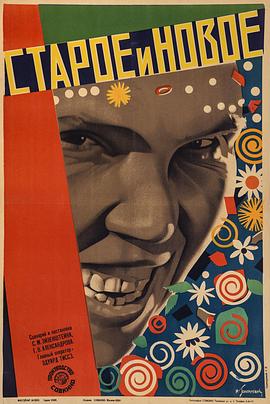
总路线
770
9.0
已完结
总路线
9.0
更新时间:06月29日
主演:Marfa Lapkina,M. Ivanin,Konstantin Vasilyev
简介:Due to some common interests between German and Russian aristocracy ( the Russians even had aristocrats in their past not to mention they had an Empress called Catherine the Great, as great as this German count's heiresses… ), it is not strange that this Teutonic count has understood and even enjoyed Herr S. M. Eisenstein's Staroye I Novoye.  It is not very usual that for the aristocracy to enjoy Bolshevist films full of proletarian demands that put private property at risk or as it happens in this case, a film about the Communist Party's policy on the subject of the collectivization of the Soviet agriculture. Normally this would be perfect gibberish for this German count, but thanks to Herr Eisenstein 's greatness and directorial talent, the hardships of the heroine of the film, Dame Marfa ( Dame Marfa Lapkina ) breached even the thick aristocratic Schloss walls.  And that's one of the first remarkable aspects of this oeuvre; in spite of the political subject of the film, the powerful images and lyricism ( astonishing and beautiful shot compositions ), especially during the first part of the movie, preserve the artistic merits entirely while serving a propaganda purpose. The second remarkable aspect of the film is the dichotomy between the old and new, the fight to improve the lot of Dame Marfa and her countrymen. There are many discussions because it is not easy even in Russia to change ancient and conservative customs. There are superb metaphors and social criticism ( illiteracy, bureaucracy, religiosity ) which perfectly fit the film, and last but not least, Staroye I Novoye, is a kind of archaic documentary about ancient customs established deeply in old Russia, those ones that our heroine must fight against. And there is also a lot about agriculture ( very enlightening for this German count), especially about harvesting and how to fatten Russian cows or pigs ( literally, no pun here… ).  Herr Eisenstein had to bear during the last era of his film career, unbelievable censorship and mutilation of his work, as happens with Staroye I Novoye. The film was reedited and Eisenstein accused of sympathizing with Trostky's policies but fortunately the film was restored and showed by the German-frenchified t.v. channel ARTE, natürlich!, including an evocative music score by Herr Taras Bujewski, that fits superbly Herr Eisenstein primal artistic interests.  And now, if you'll allow me, I must temporarily take my leave because this German Count must buy a tractor for one of his Teutonic heiress.
8541
1929
总路线
主演:Marfa Lapkina,M. Ivanin,Konstantin Vasilyev
首页
电影片
连续剧
综艺片
动漫片